Maintaining one’s health and well-being as we age is an ongoing process that requires attention, effort, and adaptability. Age brings with it a natural decline in many physical functions, and while this is to be expected, taking proactive steps can help mitigate its impact.
Common health issues associated with ageing include hearing loss, joint pain, reduced mobility, and increased susceptibility to illnesses. It is essential to acknowledge these challenges while also focusing on strategies to sustain quality of life and independence.
Detect any issues early on
Hearing loss is a particularly prevalent concern for older adults. It can lead to communication difficulties, social withdrawal, and, in some cases, cognitive decline. A solution to this is to undergo regular hearing tests, which help detect any issues early on.
Hearing tests can identify mild to severe hearing impairments, allowing professionals to recommend the most suitable interventions. Ignoring hearing-related problems may only cause further deterioration, so prioritising these checks is key.
Safe professional treatments
Another common issue that requires attention as we grow older is the accumulation of earwax, which can significantly affect hearing quality. While earwax production is a natural process, an excessive buildup can lead to discomfort and hearing difficulties. Regular ear cleaning is important and can be done safely with professional treatments.
Procedures such as microsuction and ear wax removal are modern, effective methods that ensure the ear canals are cleared without causing damage. Unlike older methods such as ear syringing, microsuction is a safer alternative, providing a more precise way to remove blockages.
Quality of life
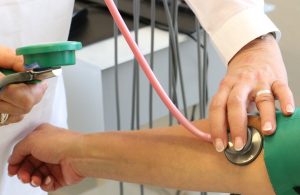
Visiting healthcare professionals, such as GPs and specialists, becomes increasingly frequent as we age. From monitoring chronic conditions to addressing acute illnesses, these visits become an integral part of staying healthy. Additionally, regular screening tests, including those for hearing, vision, and blood pressure, help in maintaining a comprehensive understanding of one’s overall health.
Early detection through these visits often leads to early treatment, which can significantly improve outcomes and quality of life.
Feelings of isolation
Physical health is not the only aspect that requires attention. Mental and emotional well-being are equally important. Age-related changes can sometimes bring feelings of isolation, anxiety, or even depression.
Engaging in social activities and maintaining strong connections with family and friends can serve as a buffer against these challenges. Furthermore, staying physically active through walking, yoga, or light exercise helps in maintaining mobility and improving overall mood.
Chronic diseases
Diet and nutrition also play a crucial role in ageing well. Consuming a balanced diet that includes plenty of fruits, vegetables, and whole grains while reducing processed foods can help in managing weight and reducing the risk of chronic diseases like heart disease or diabetes.
Adequate hydration and mindful eating ensure that the body gets the nutrients it needs to function optimally.
Staying informed
Ageing is a natural part of life, and while it brings its own set of challenges, it also provides opportunities to adapt and grow. Staying informed about issues such as hearing loss, addressing ear health needs through effective methods like microsuction and ear wax removal, and prioritising regular check-ups can make a tremendous difference.
By making health and well-being a priority, it is possible to lead a fulfilling and vibrant life well into one’s later years.